Collagen stimulation
Encourages the skin’s natural collagen response to support a refreshed appearance.
An advanced treatment using fine, absorbable threads to support collagen production and improve the appearance of skin firmness, texture and fine lines.
Book a consultation ›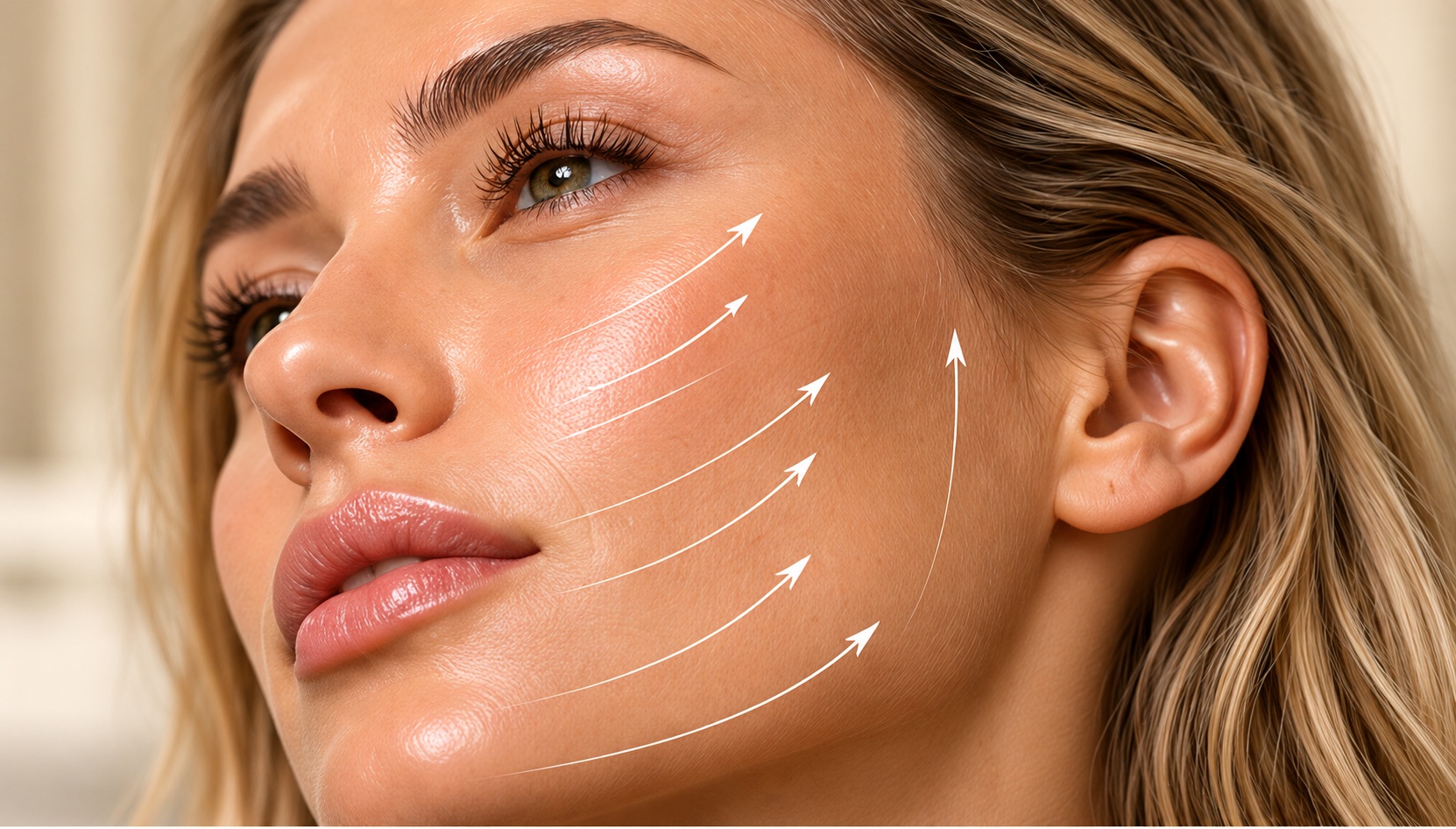
Mono threads are fine, smooth, absorbable sutures, commonly made from polydioxanone (PDO). Placed beneath the skin using slender needles, they create a controlled tissue response that stimulates collagen formation as the threads gradually dissolve.
Mono threads are designed to enhance skin firmness, texture and fine lines with a subtle, natural-looking result. Unlike cog or barbed lifting threads, smooth threads do not grip and reposition tissue, so they are best suited to skin-quality treatments rather than a dramatic mechanical lift.
Your consultation includes a detailed skin assessment, medical history and personalised treatment plan. Collagen-related improvements develop over the following weeks and months. The outcome and number of sessions depend on your skin and the areas treated.
Encourages the skin’s natural collagen response to support a refreshed appearance.
Targets mild skin laxity for a smoother, firmer-looking finish.
Focuses on crepey-looking skin, texture and selected fine lines.
Enhances skin quality without adding facial volume or creating an exaggerated look.
We assess skin quality, medical history, medicines, suitability and your goals. The treatment areas, potential risks and alternatives are discussed before you decide.
The skin is cleansed and placement points are marked. After appropriate comfort measures, fine needles place smooth absorbable threads beneath the skin; the needles are removed, leaving the threads in position.
We explain aftercare, expected healing and signs to watch for. Skin-quality changes develop over time as the tissue responds; your progress and any further sessions are reviewed individually.
Smooth mono threads focus on skin quality. The separate PDO thread price menu includes other named appointments; the appropriate thread type and technique must be agreed at consultation.
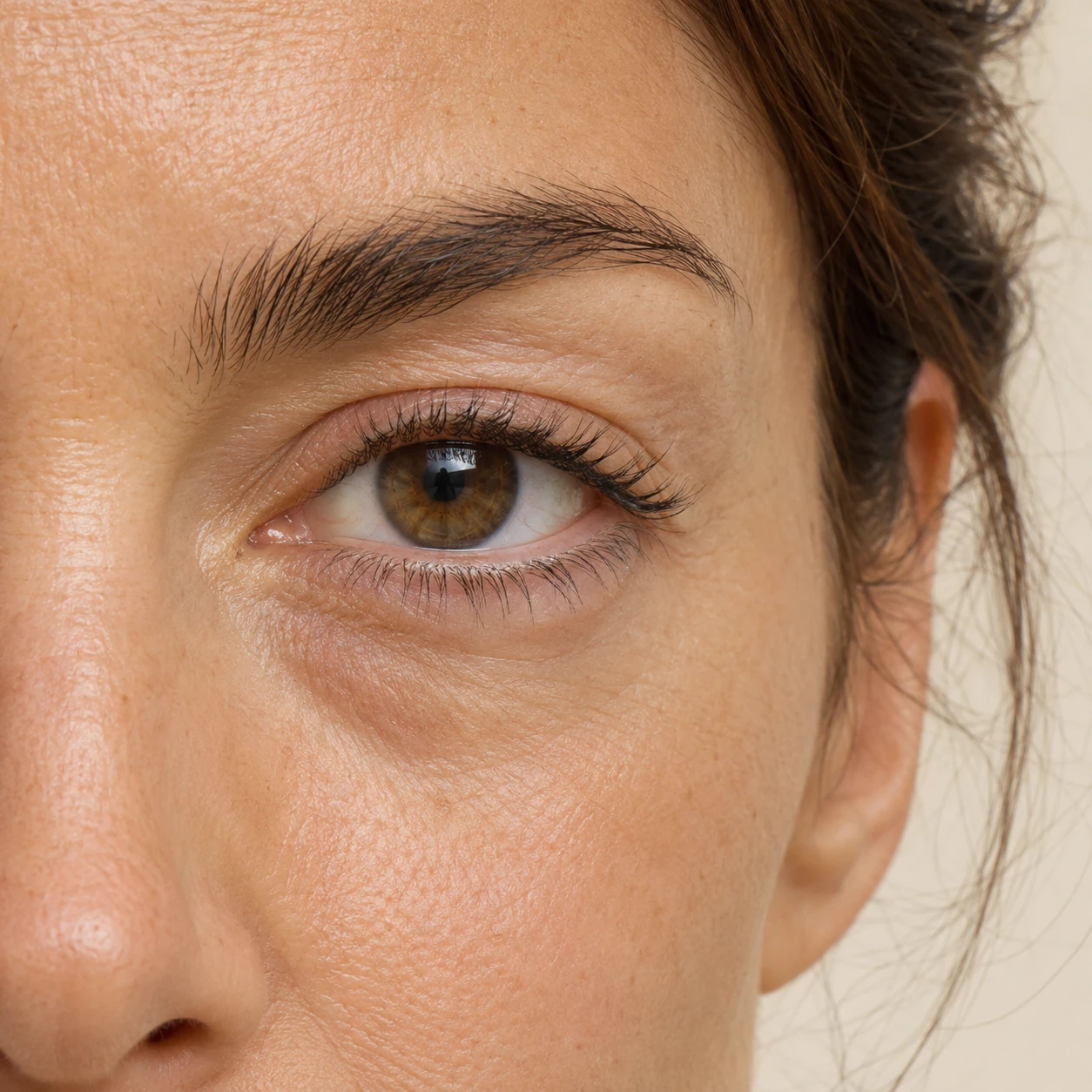 Under-eye area · Fine lines and crepey skin
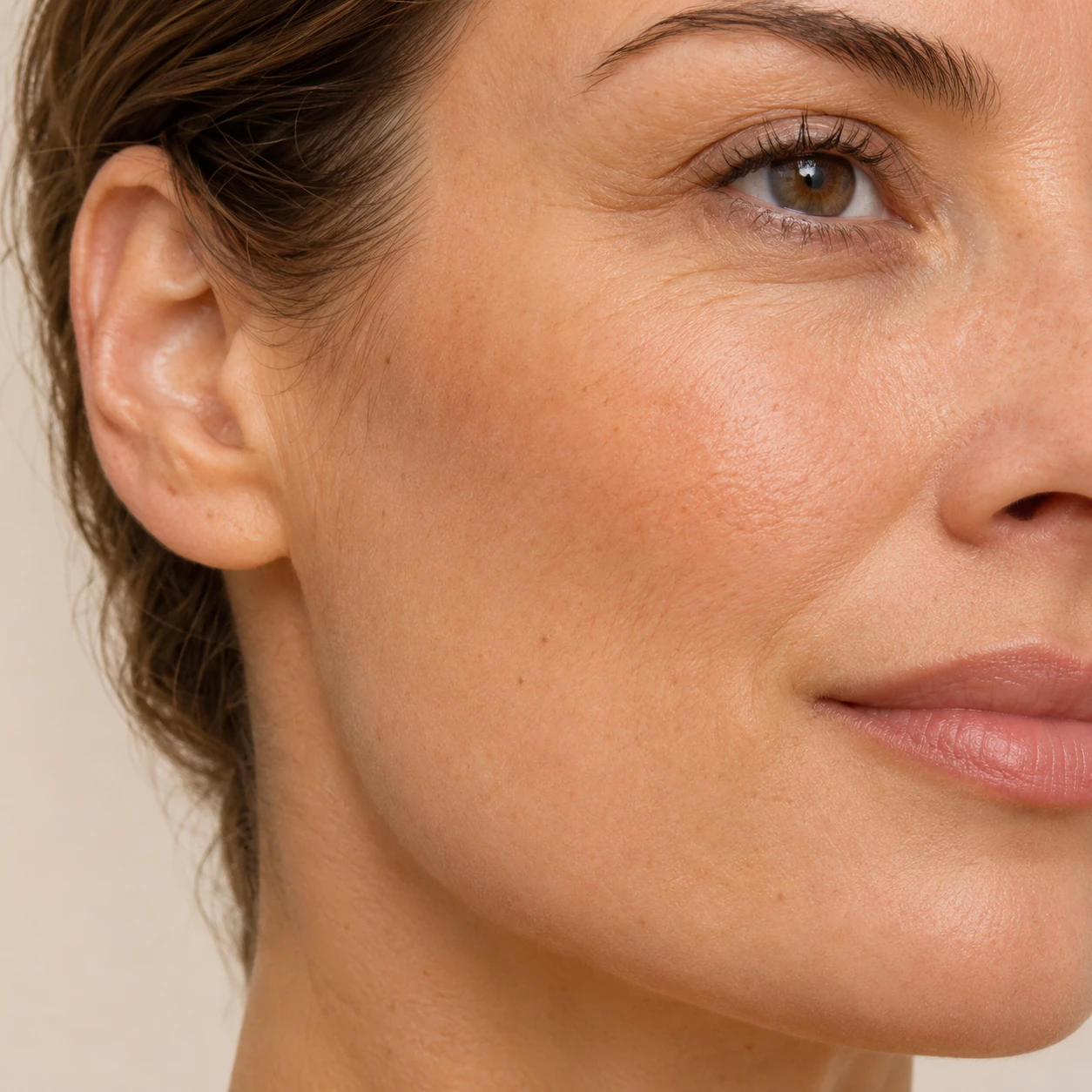 Cheeks · Skin firmness and texture
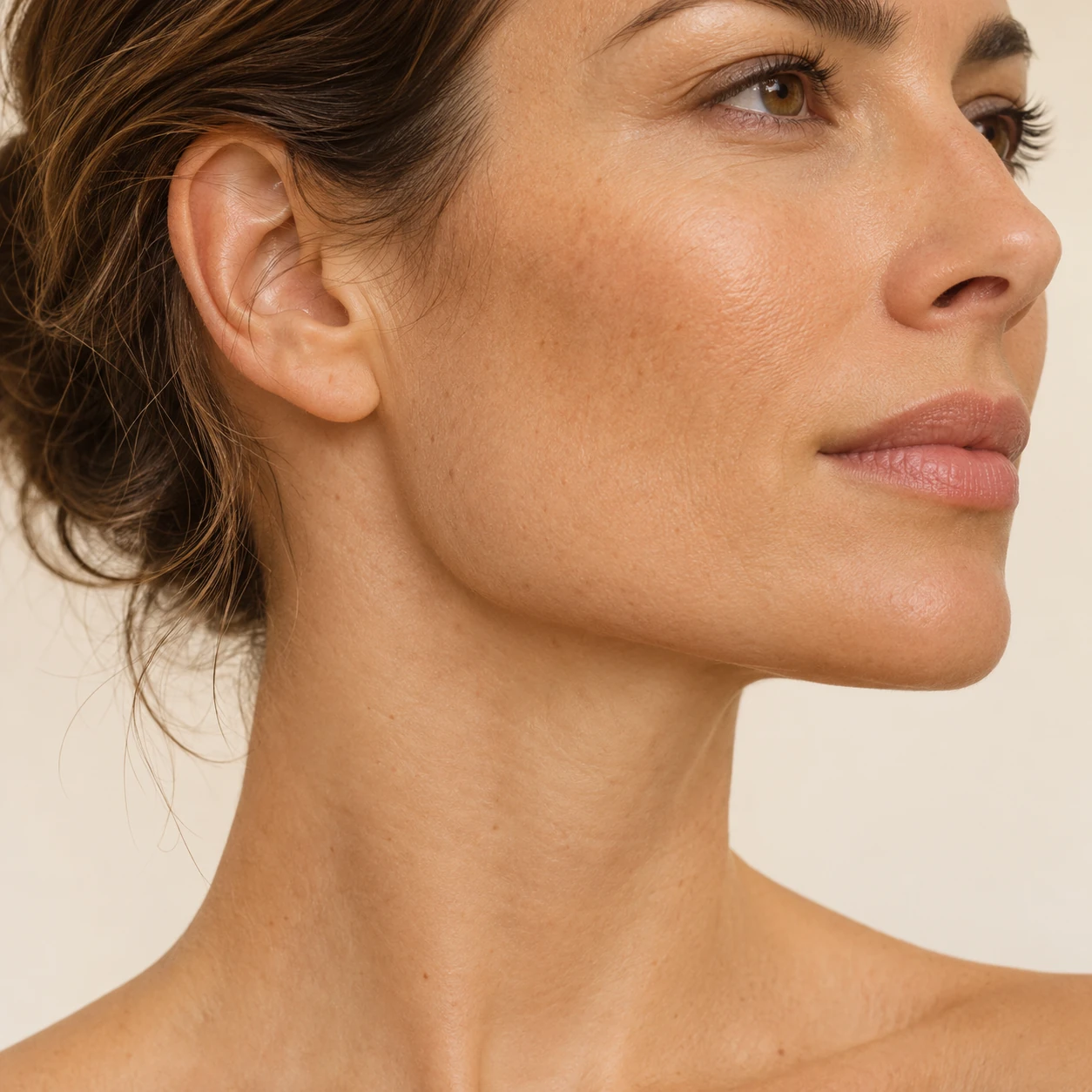 Jawline · Skin quality and mild laxity
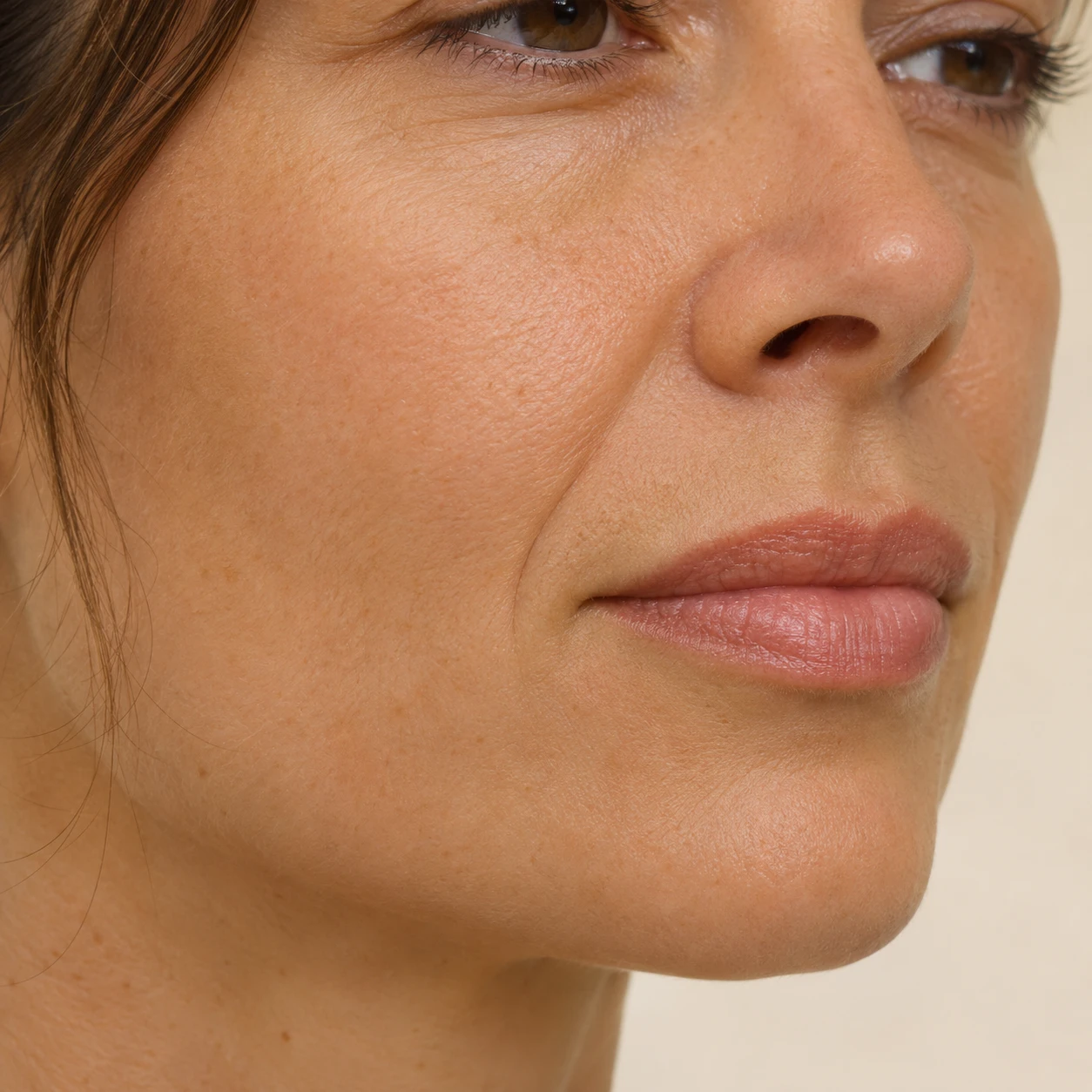 Smile lines · Selected fine lines
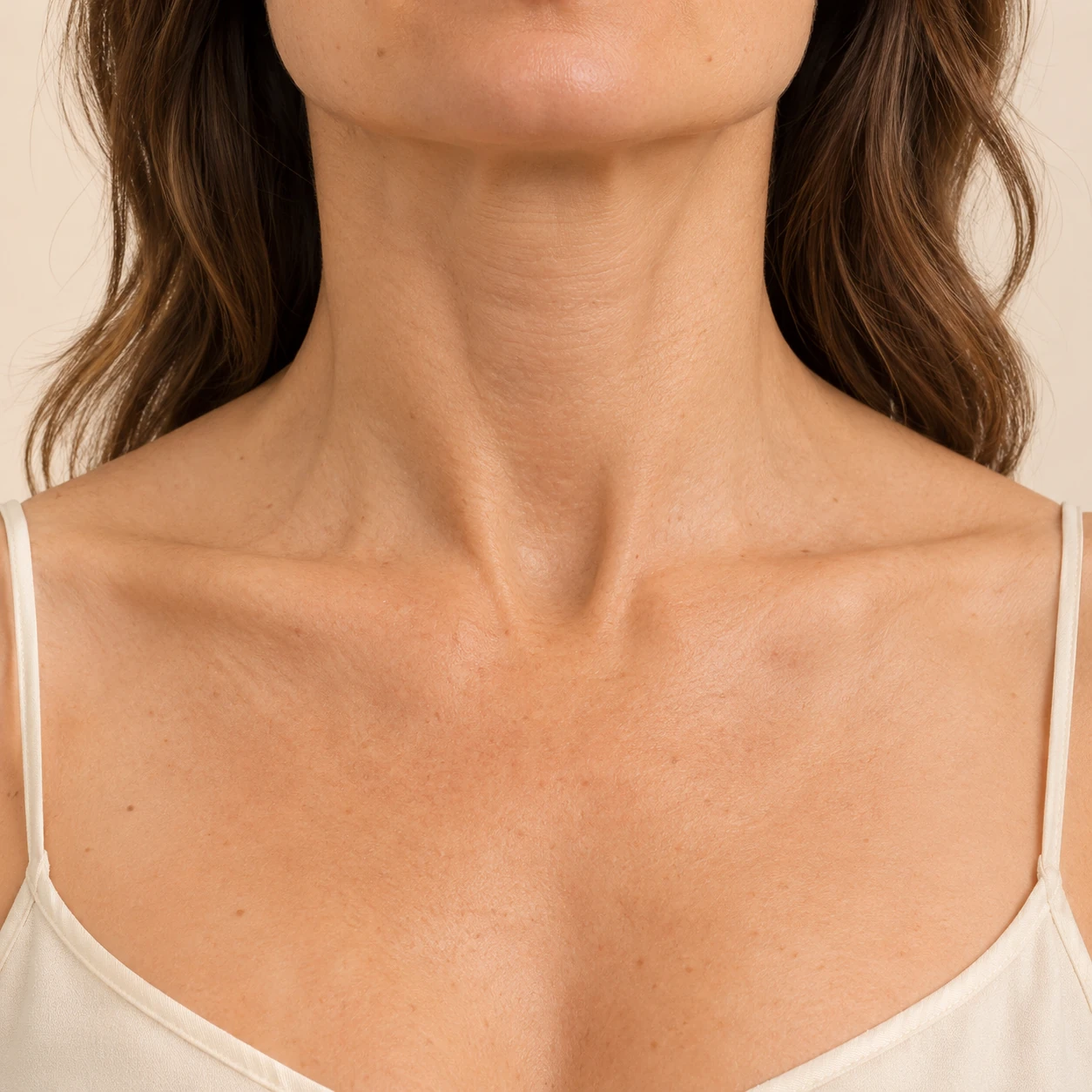 Neck · Crepey-looking skin and texture
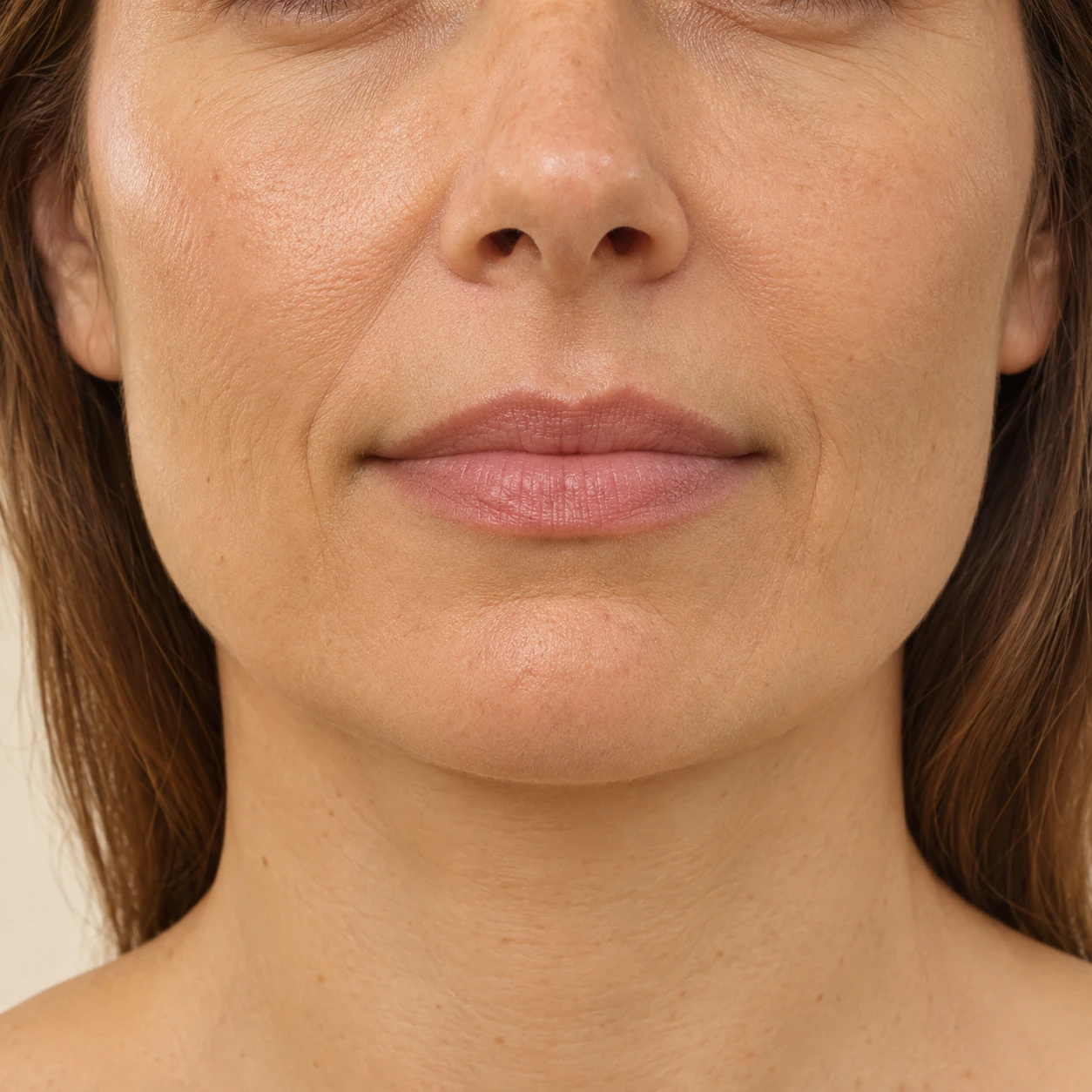 Lower face · Fine lines and skin quality
Book a consultation to discuss whether smooth mono threads are appropriate for your skin, what changes are realistic, and the risks, recovery and cost.
Book a consultation ›Mono threads are smooth, fine absorbable sutures placed under the skin using small needles. They are primarily used for subtle skin-quality support and are different from barbed lifting threads.
No. Smooth mono threads do not have the barbs or cogs used to grip and reposition tissue. They are generally intended for gradual skin-quality improvement, not significant mechanical lifting.
Common areas considered for smooth mono threads include the cheeks, lower face, jawline, selected lines around the mouth and neck. Fine lines around the eyes can sometimes be assessed, but delicate areas require additional caution. A brow or cheek lift that repositions tissue generally requires a different type of lifting thread.
Allow approximately 1 hour 15 minutes, including preparation and treatment. The actual procedure time varies with the number of areas treated.
Collagen-related changes develop gradually over the weeks and months following treatment. The extent and timing of visible improvement differ between individuals; early swelling should not be mistaken for a lasting lift.
Expect some possibility of swelling, bruising, tenderness and visible entry marks. Many clients resume everyday activities relatively quickly, but follow your individual instructions about exercise, facial pressure, massage and other treatments.
Possible effects include pain, bruising, swelling, asymmetry, dimpling, palpable or visible threads, inflammation, infection, thread extrusion and an unsatisfactory result. Rare complications can be more serious. These will be discussed before consent.
Suitability depends on medical history, medicines, skin condition and the specific product. Active infection, impaired healing, bleeding concerns, pregnancy or breastfeeding and certain medical conditions may affect whether treatment is appropriate. A full assessment is essential.
Keep entry points clean, avoid rubbing or massaging the area, and follow your personalised advice about exercise, heat and other treatments. Seek prompt medical advice for worsening pain, spreading redness, fever, discharge or a protruding thread; do not pull a visible thread yourself.
Book online or contact Rebecca to discuss your questions and arrange a consultation.