Cellular skin support
Designed to interact with biological processes involved in tissue repair; visible skin improvements are not guaranteed.
Advanced skin regeneration and improved skin quality. Polynucleotide treatments are selected to suit your skin concerns and treatment goals.
Book a consultation ›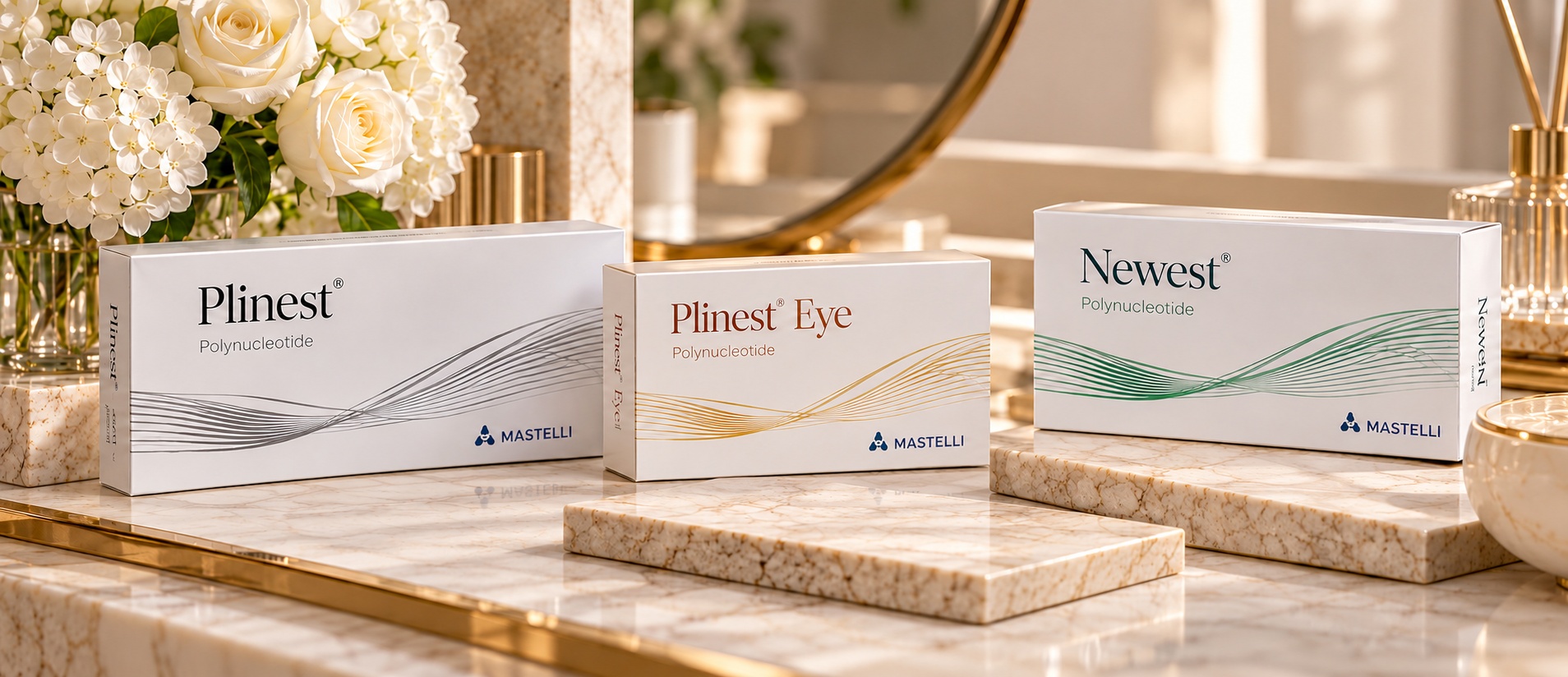
Polynucleotides are injectable skin-quality treatments containing purified DNA fragments. They are used with the aim of supporting the skin’s natural repair processes and improving the appearance of texture, fine lines and skin that looks thin or crepey. Results are gradual and vary from person to person.
At Rebecca Jane Aesthetics, the product is chosen following a consultation. Options may include Plinest, Plinest Eye and Newest, depending on product availability, your concerns and suitability. Plinest Eye is formulated for the delicate eye area; Newest combines polynucleotides with hyaluronic acid.
These treatments are not dermal fillers and are not intended to create volume or instantly remove wrinkles. The focus is on improving the appearance of skin quality over a course of treatment. We will explain what is realistic for your skin and discuss alternatives where appropriate.
Designed to interact with biological processes involved in tissue repair; visible skin improvements are not guaranteed.
May improve the appearance of fine lines, texture and crepey-looking skin, including selected under-eye concerns.
Some formulations are investigated for their effects on skin quality and inflammation, but clinical evidence varies by product and concern.
Changes may develop over weeks and months, often with a planned treatment course and review.
We discuss your goals, medical history, allergies, current treatments and whether this is an appropriate option. You can ask about products, risks, alternatives and expected costs.
If suitable, treatment involves small injections into the selected area. A course of around two to four appointments, often three to four weeks apart, may be advised; the exact protocol depends on the product.
Temporary injection marks, swelling, tenderness or bruising may occur. You receive product-specific aftercare, and we review your progress before considering further treatment or maintenance.
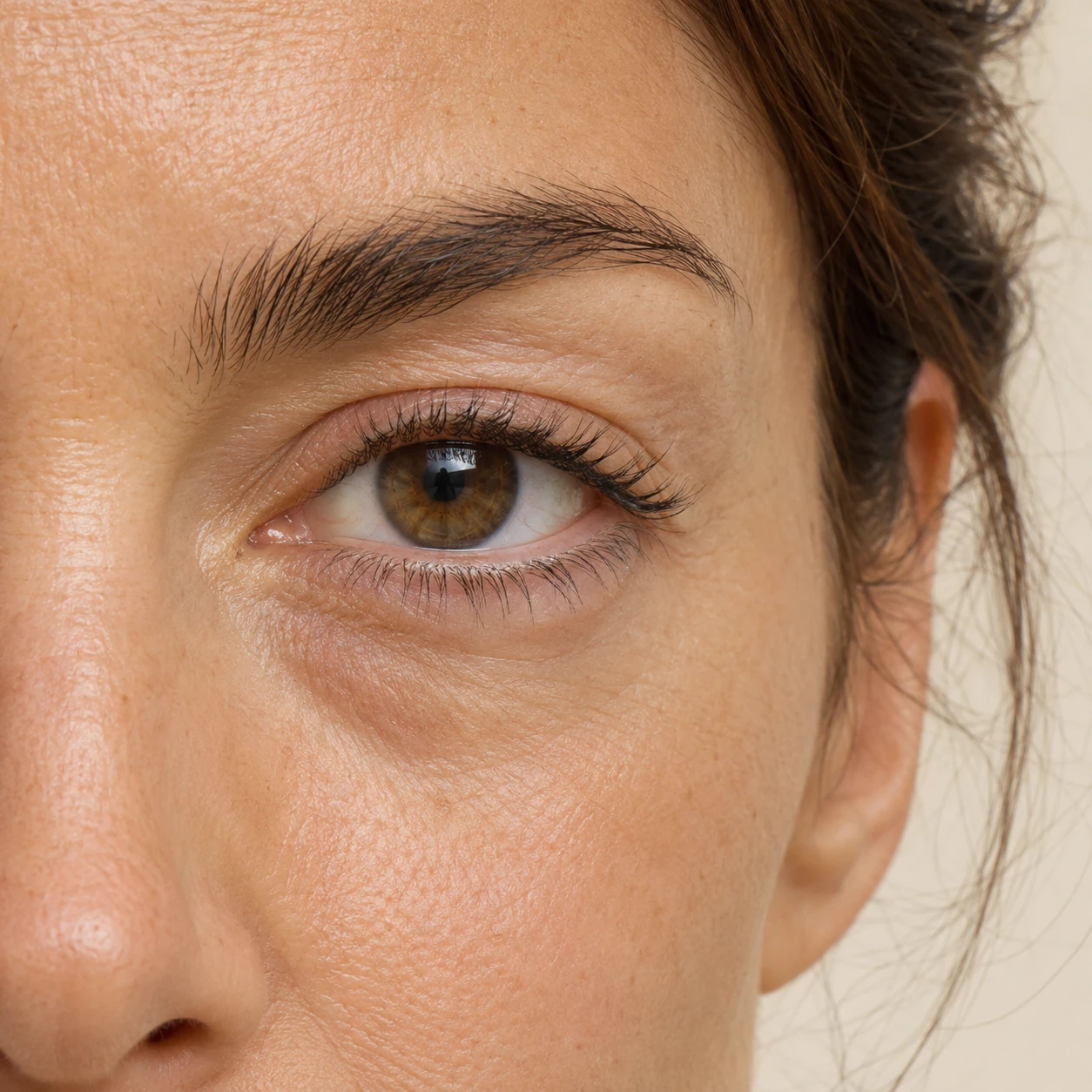 Under-eye dark circles and crepey skin
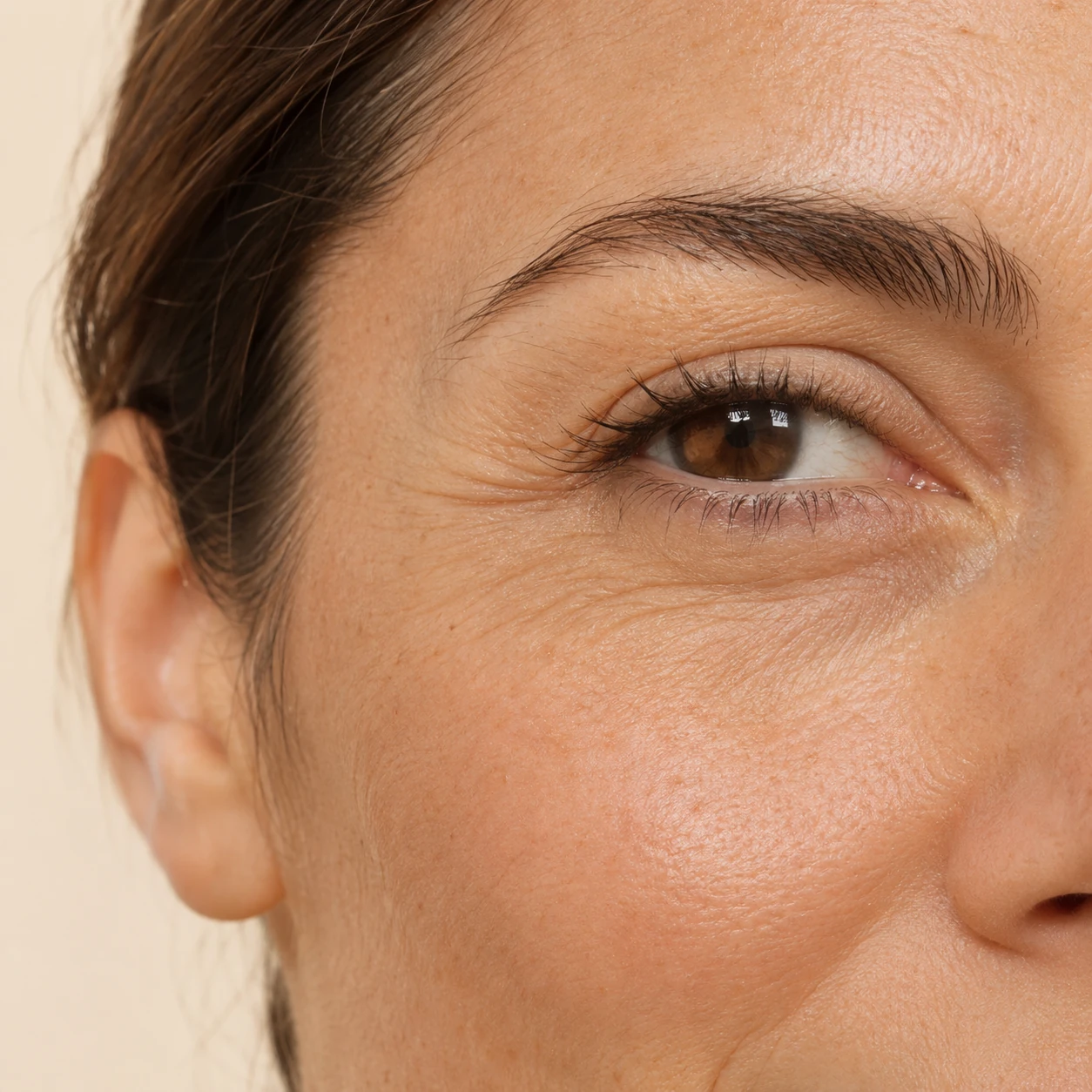 Fine lines and wrinkles
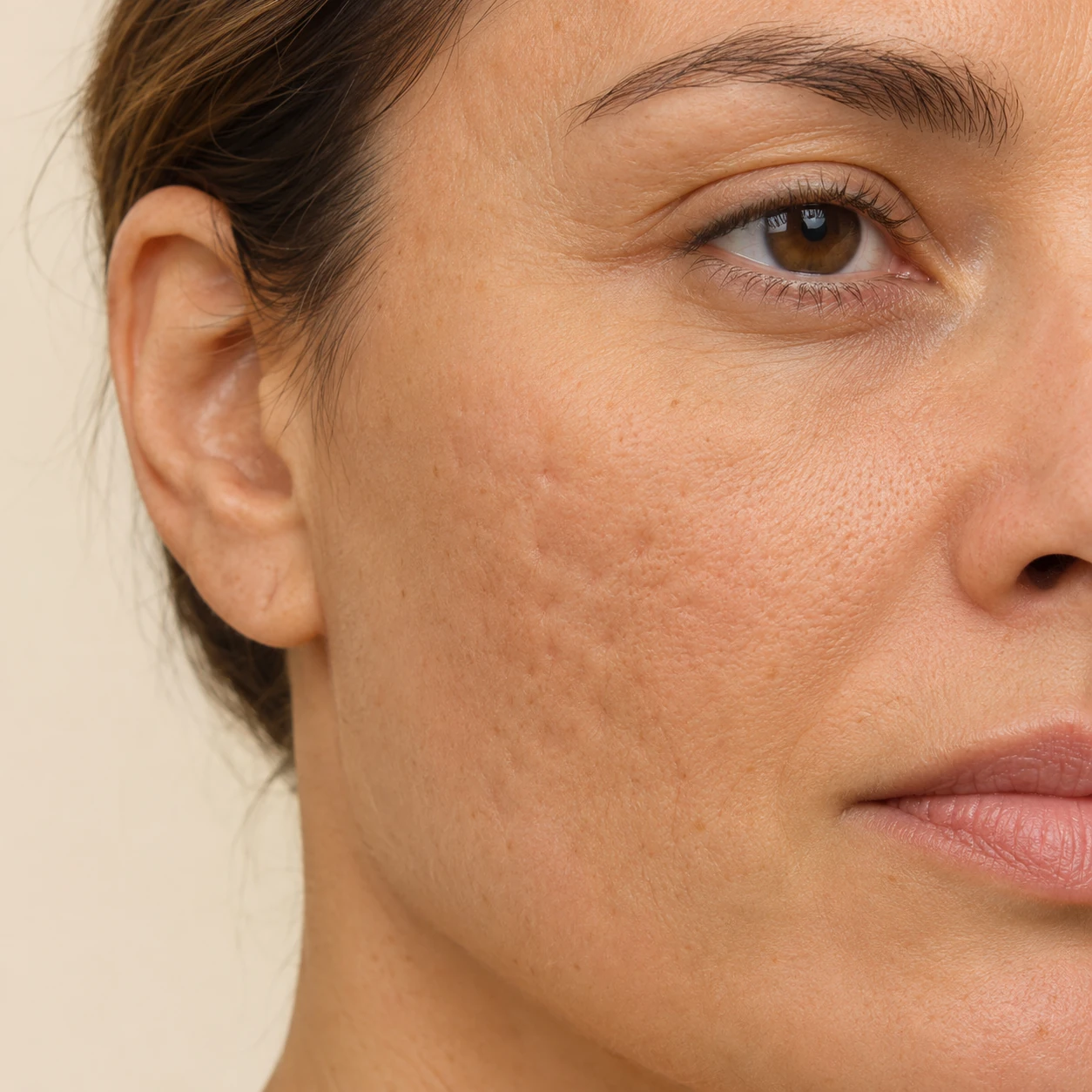 Acne scarring
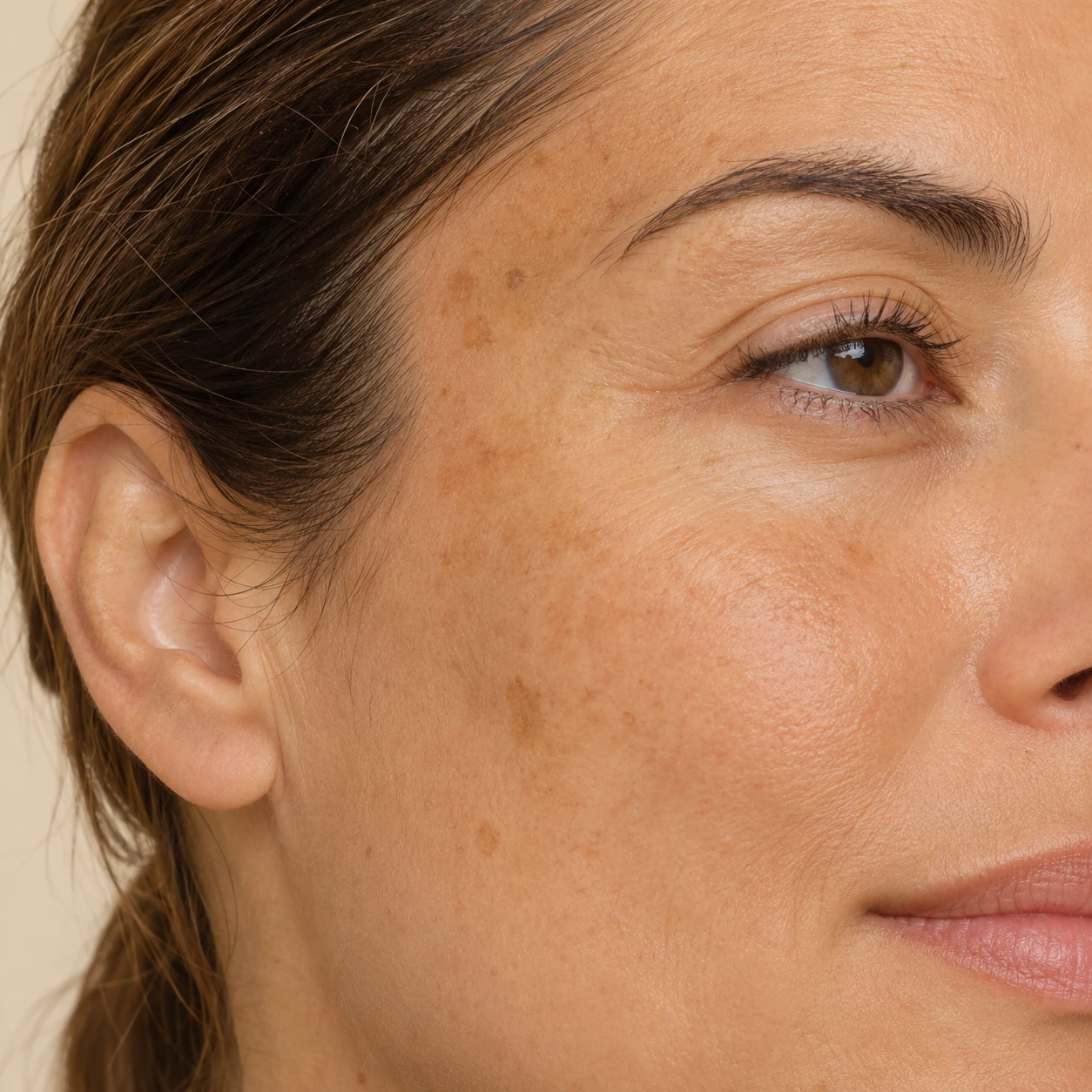 Sun-damaged skin
 Skin thinning
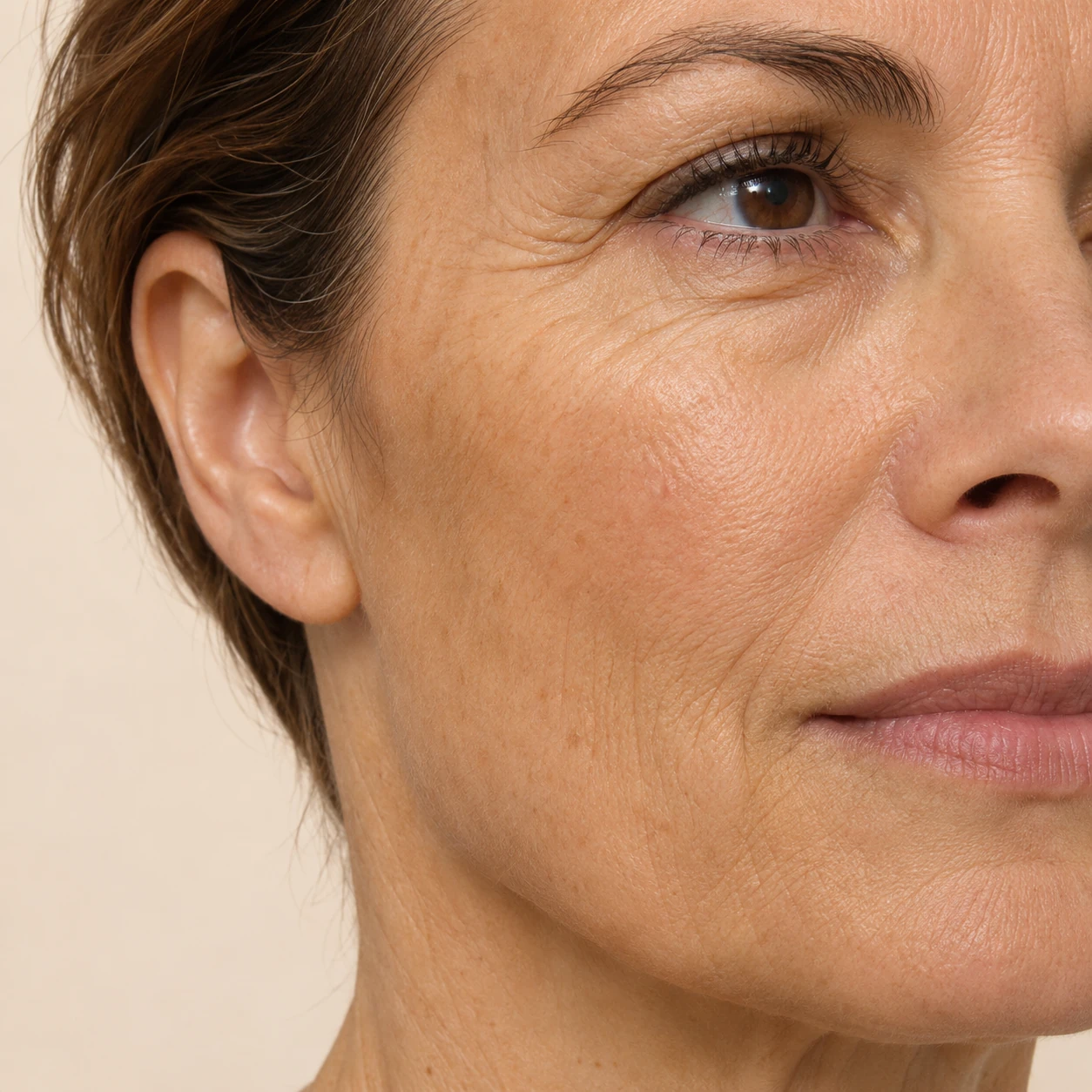 Overall skin rejuvenation
Book a consultation to discuss your concerns, explore suitable polynucleotide options and understand the likely benefits, risks and costs before deciding.
Book a consultation ›Polynucleotides are purified DNA fragments used in certain injectable skin-quality treatments. They are intended to support biological processes associated with tissue repair. They do not replace lost facial volume in the way a dermal filler can.
Many aesthetic polynucleotide products contain purified DNA fragments sourced from fish, commonly salmon or trout. Ingredients and manufacturing processes differ between brands. Please tell us about any fish allergies or other allergies before treatment so the specific product can be checked.
Product options may include Plinest, Plinest Eye and Newest, subject to availability and individual suitability. Plinest Eye is formulated for the area around the eyes; Newest combines polynucleotides with hyaluronic acid. We will confirm the exact product and its intended use at your consultation.
Certain products may be considered for the delicate under-eye area, particularly where fine lines or crepey texture are a concern. Dark circles can have many causes, including pigmentation, shadows and hollowing, so polynucleotides will not be the right answer for everyone.
A course of around two to four sessions, often spaced three to four weeks apart, may be recommended. The precise number and interval depend on the specific product, treatment area and individual response. Maintenance may be discussed after review.
Changes are usually gradual, with some people noticing improvements over the following weeks and further changes developing over several months. Results, their duration and the need for maintenance vary. We cannot promise a particular outcome.
Redness, small raised injection marks, swelling, tenderness or bruising are possible. These often settle over the following days, although recovery varies. We will give you aftercare instructions for the product and area treated.
All injectable treatments carry risks. Common reactions include swelling, bruising and discomfort; less common complications may include infection, allergic reactions or persistent lumps. A full consultation, informed consent and appropriate product selection are essential. Treatment may not be suitable for everyone.
Suitability depends on your medical history, allergies, medicines, pregnancy or breastfeeding status, active skin infections and the product’s instructions. We will review these factors before offering treatment and may recommend delaying or avoiding it.
Avoid touching or massaging injection sites unless specifically advised. Follow the tailored instructions provided at your appointment about skincare, make-up, exercise, heat and when to seek help. Contact the clinic if symptoms worsen or you are concerned after treatment.
Book online or contact Rebecca to discuss your questions and arrange a consultation.